

Introduction: The Hidden Power Behind a Betting ID
In today’s fast-moving digital world, a Betting ID is more than just a login credential—it is a personal gateway into a high-stakes environment shaped by chance, strategy, and human psychology. With just a few clicks, individuals can step into a space where excitement meets uncertainty, and where decisions carry both immediate and lasting consequences. What appears simple on the surface often holds deeper layers of influence that extend beyond entertainment.
For many, a Betting ID represents convenience, access, and the thrill of possibility. It allows users to participate in a global ecosystem where predictions, analysis, and risk-taking come together in real time. The ease of use and constant availability make it appealing, especially in a world where digital engagement is part of everyday life. However, this same accessibility also raises important questions about control, discipline, and awareness.
The true nature of a Betting ID lies in its dual impact. It can serve as a tool for calculated engagement and responsible entertainment, or it can quietly lead to impulsive behavior and unintended consequences. The line between these two outcomes is often thin, shaped by individual choices and habits rather than the technology itself.
Understanding this balance is essential. A Betting ID is not inherently good or bad—it becomes what the user makes of it. And in that transformation lies both its power and its risk.
Understanding Betting ID: More Than Just an Account
At first glance, a Betting ID may seem like a simple digital profile created to access betting platforms. However, its role extends far beyond basic identification. It acts as a central hub where user activity, financial transactions, betting history, and behavioral patterns are all recorded and interconnected. In many ways, it becomes a digital reflection of the user’s decisions and habits over time.
Every action taken through a Betting ID—whether placing a wager, depositing funds, or reviewing past bets—contributes to a larger system that tracks engagement. This continuous interaction transforms the ID into more than just a tool; it becomes a personalized environment tailored to the user’s preferences. Platforms often use this data to enhance user experience, offering customized suggestions, promotions, and insights based on past behavior.
This level of personalization can be both beneficial and concerning. On one hand, it creates a smoother and more engaging experience, allowing users to navigate platforms efficiently. On the other hand, it can subtly influence decisions by encouraging continued participation. The more a user interacts with their Betting ID, the more the system adapts—sometimes in ways that are not immediately noticeable.
Another important aspect is financial integration. A Betting ID is directly linked to payment methods, making transactions quick and seamless. While this convenience is appealing, it also reduces the psychological barrier between spending and saving. Money moves faster in digital form, and users may find it easier to place bets without fully considering the financial impact.
Security is another critical dimension. Since a Betting ID contains sensitive personal and financial information, it becomes a target for cyber threats. A compromised account can lead to unauthorized transactions, data breaches, and loss of funds. This makes it essential for users to choose secure platforms and adopt protective measures such as strong passwords and verification processes.
Additionally, a Betting ID often comes with rules and verification requirements. Users may need to provide identification documents to comply with regulations and ensure fair play. While these measures are designed to protect both the platform and the user, they also highlight the seriousness of the environment in which betting takes place.
Ultimately, understanding a Betting ID requires looking beyond its surface function. It is not just an entry point—it is a dynamic system that interacts with user behavior, financial decisions, and digital security. Recognizing this complexity is the first step toward using it responsibly and maintaining control in an environment that is designed to keep users engaged.
The Positive Side of a Betting ID: Opportunity, Strategy, and Control
When approached with discipline and awareness, a Betting ID can serve as more than just a gateway to wagering—it can become a structured platform for strategy, analysis, and controlled engagement. For many users, it offers a sense of autonomy, where decisions are not random but based on observation, research, and calculated thinking.
One of the most significant advantages is accessibility. A Betting ID allows users to participate in betting activities from virtually anywhere, removing traditional barriers such as location and time constraints. This flexibility creates an environment where users can engage at their own pace, making it easier to integrate betting as a form of occasional entertainment rather than a disruptive habit.
Another positive aspect lies in the development of analytical skills. Many users begin to study patterns, team performance, historical data, and probabilities before placing bets. Over time, this process sharpens decision-making abilities and encourages a more thoughtful approach. Instead of relying purely on luck, users may start treating betting as a strategic activity that requires patience and discipline.
Financial control is also possible when a Betting ID is used responsibly. Users who set clear budgets and limits can manage their spending effectively. By treating betting funds as separate from essential expenses, they reduce the risk of financial instability. In such cases, the Betting ID becomes a controlled environment where risks are calculated and losses are contained.
Additionally, the digital nature of a Betting ID provides transparency. Users can track their betting history, monitor wins and losses, and evaluate their performance over time. This level of visibility allows for self-assessment and improvement. It also helps users identify patterns in their behavior, making it easier to adjust strategies or recognize when to step back.
For some individuals, betting through a structured ID system can even create opportunities for side income. While not guaranteed and certainly not risk-free, disciplined users who rely on research and consistency may find ways to generate returns over time. The key factor here is not luck, but control—knowing when to act and when to stop.
Moreover, modern platforms often include features that promote responsible usage. Tools such as deposit limits, session reminders, and self-exclusion options empower users to stay within their boundaries. When used properly, these features reinforce healthy habits and reduce the chances of excessive behavior.
Ultimately, the positive side of a Betting ID is rooted in intention. When users approach it with clarity, discipline, and realistic expectations, it can remain a controlled and even intellectually engaging activity. It is not the tool itself that defines the outcome, but the mindset and behavior of the person using it.
The Negative Side of a Betting ID: Addiction, Illusion, and Loss of Control
While a Betting ID can offer structure and opportunity, its darker side often emerges when discipline fades and emotional decision-making takes over. What begins as casual engagement can gradually shift into a pattern of dependency, where the user feels compelled to participate rather than choosing to do so. This transition is rarely sudden—it builds quietly, making it harder to recognize until the consequences become serious.
One of the most significant risks is addiction. The constant availability of betting platforms means there is always an opportunity to place another bet. This 24/7 access, combined with the excitement of potential wins, can create a cycle of repeated behavior. Small wins reinforce confidence, while losses often trigger the urge to recover quickly. Over time, this pattern can lead to compulsive betting, where control is replaced by impulse.
Another critical issue is the illusion of control. Many users begin to believe that they can predict outcomes with high accuracy or develop foolproof strategies. While research and analysis can improve decision-making to some extent, the unpredictable nature of betting cannot be eliminated. This false sense of certainty often leads users to take bigger risks, especially after a series of losses, in an attempt to “win back” what they have lost.
Financial consequences are perhaps the most visible impact. Because a Betting ID is directly linked to digital payments, money can be spent quickly and frequently without the same psychological resistance as physical cash. Users may not fully realize how much they are spending until it accumulates into a significant amount. In extreme cases, this can lead to debt, borrowing, or using funds meant for essential needs.
Emotional stress is another overlooked factor. The highs of winning and the lows of losing can create intense emotional swings. Users may experience anxiety, frustration, or even guilt, especially when losses begin to affect their personal life. This emotional strain can extend beyond the individual, impacting relationships with family and friends.
Privacy and security risks also play a role. A Betting ID holds sensitive information, including personal details and financial data. If the platform lacks strong security measures or if the user does not follow safe practices, the account can become vulnerable to hacking or fraud. This adds another layer of risk that goes beyond betting itself.
Social isolation is another potential consequence. As individuals spend more time engaged with betting platforms, they may withdraw from real-life interactions. Conversations, responsibilities, and connections can take a backseat, creating a gap between their digital and personal lives. In some cases, users may even hide their betting activities, leading to secrecy and mistrust.
Perhaps the most dangerous aspect is how subtle these changes can be. The shift from control to compulsion often happens gradually, making it difficult for users to identify when they have crossed the line. By the time the problem becomes visible, the impact may already be significant.
In the end, the negative side of a Betting ID is not just about losing money—it is about losing balance. It affects mental clarity, emotional stability, and personal responsibility. Recognizing these risks is essential, not to create fear, but to encourage awareness. Because only when users understand the potential downsides can they take steps to prevent them.
Striking the Balance: Responsible Use of a Betting ID
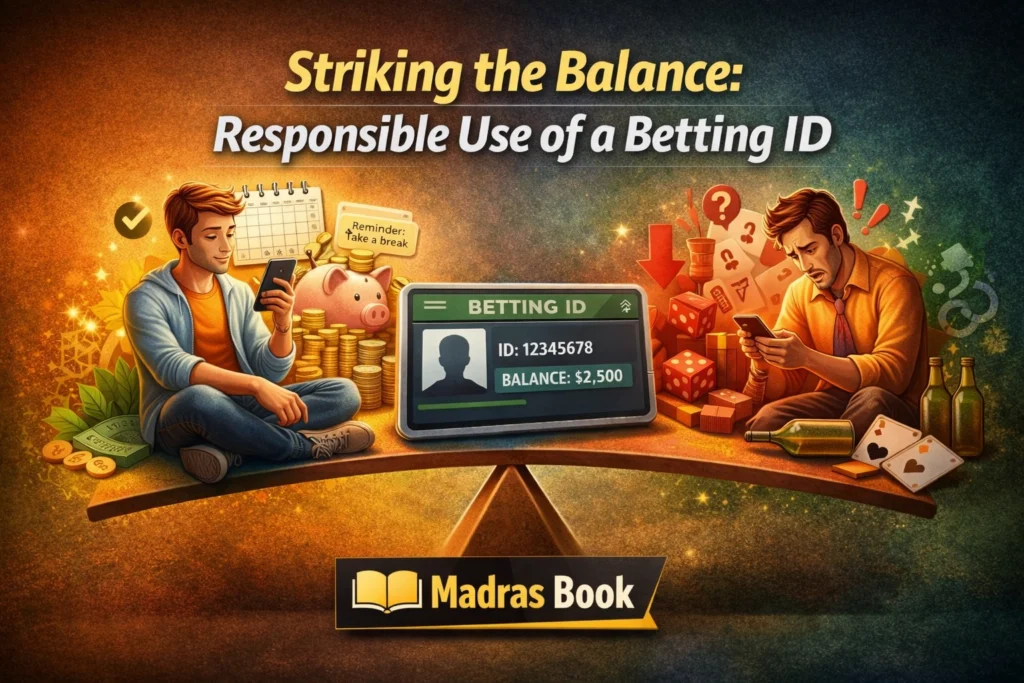
Between the extremes of opportunity and risk lies a critical space—balance. A Betting ID, like many digital tools, does not define the outcome on its own. The difference between a controlled experience and a harmful one depends largely on how it is used. Striking this balance requires awareness, discipline, and a clear understanding of personal limits.
The first step toward responsible use is setting boundaries. This includes defining a fixed budget specifically for betting and treating it as an expense rather than an investment. When users allocate only what they can afford to lose, they reduce the chances of financial stress. A well-defined limit acts as a safeguard, preventing impulsive decisions during emotional moments.
Time management is equally important. Without clear limits, betting can easily consume more time than intended. Setting specific time frames for engagement helps maintain a healthy routine and ensures that other responsibilities are not neglected. When betting becomes just one part of a balanced lifestyle, it is less likely to turn into a dominant habit.
Another key factor is emotional control. Decisions driven by frustration, excitement, or desperation often lead to poor outcomes. Responsible users learn to step back after losses rather than chasing them. They understand that not every bet will succeed and that losses are a natural part of the process. Accepting this reality helps maintain a rational mindset.
Awareness of behavior patterns also plays a crucial role. Regularly reviewing betting history can provide valuable insights into habits and tendencies. If a user notices increasing frequency, higher stakes, or difficulty stopping, these may be early warning signs. Recognizing these signals early allows for corrective action before the situation escalates.
Using platform tools designed for responsible betting can further strengthen control. Features such as deposit limits, reminders, and self-exclusion options are not restrictions—they are protective measures. When used proactively, they help users stay within their boundaries and avoid excessive engagement.
Support systems are another important element. Talking openly with trusted individuals about betting habits can create accountability. Whether it is friends, family, or support groups, having someone to share experiences with reduces isolation and encourages healthier choices. It also makes it easier to seek help if needed.
It is also important to shift perspective. Viewing a Betting ID as a form of entertainment rather than a source of guaranteed income changes the approach entirely. When expectations are realistic, users are less likely to take unnecessary risks or feel pressured to win. This mindset helps maintain a sense of control and prevents emotional dependency.
Ultimately, balance is not about avoiding betting altogether—it is about engaging with it consciously. A Betting ID can remain a controlled and enjoyable experience when guided by discipline and self-awareness. The goal is not just to participate, but to do so in a way that preserves financial stability, emotional well-being, and personal responsibility.
In this balanced approach lies the true power of a Betting ID—not as a source of extremes, but as a tool that can be managed wisely.
Conclusion: A Betting ID Is Only as Powerful as the Person Behind It
In the end, a Betting ID is not just a digital tool—it is a reflection of human behavior, choices, and mindset. It holds no power on its own, yet it can influence outcomes in significant ways depending on how it is used. For some, it becomes a source of controlled entertainment and calculated decision-making. For others, it turns into a path of impulsive actions and unintended consequences.
The journey with a Betting ID is shaped by awareness. Those who understand its nature—both its advantages and its risks—are better equipped to navigate it responsibly. They recognize that while opportunities may exist, they are never guaranteed, and that discipline is far more valuable than luck. This understanding creates a foundation where engagement remains intentional rather than reactive.
At the same time, it is important to acknowledge the risks without ignoring them. Addiction, financial strain, and emotional stress are real possibilities, not distant concerns. Ignoring these aspects can lead to a false sense of security, while recognizing them encourages caution and self-control. Awareness does not limit freedom—it strengthens it.
A balanced approach ultimately defines the experience. When users set limits, manage their time, and maintain emotional control, the Betting ID remains a tool within their control. It does not take over their decisions or dictate their behavior. Instead, it stays where it belongs—as a secondary activity, not a defining one.
There is also a broader lesson within this topic. In a world filled with digital platforms designed to capture attention, the responsibility to maintain control lies with the individual. A Betting ID is just one example of how easily convenience can turn into dependency if not handled carefully. Learning to manage it effectively builds habits that extend beyond betting into other areas of life.
In conclusion, the true power of a Betting ID does not lie in the system, the platform, or the outcomes—it lies in the user. It is shaped by discipline, guided by awareness, and defined by choices. Whether it becomes a positive experience or a negative one is not predetermined. It is decided, step by step, by the person who holds it.
Frequently Asked Questions (FAQs)
1. What is a Betting ID?
A Betting ID is a unique account that allows users to access online betting platforms, place wagers, manage funds, and track their betting activity in one place.
2. Is it safe to use a Betting ID?
It can be safe if you use trusted platforms and follow proper security practices like strong passwords and verification steps. You can also explore reliable platforms through madrasbook for better awareness and guidance.
3. Can I earn money using a Betting ID?
While some users do make profits through strategy and discipline, it is not guaranteed. Betting always involves risk, and outcomes are unpredictable.
4. How can I use a Betting ID responsibly?
Set a fixed budget, avoid chasing losses, manage your time, and treat betting as entertainment rather than a primary income source.
5. What are the risks of using a Betting ID?
The main risks include financial loss, addiction, emotional stress, and loss of control if not used with discipline.
6. How do I choose a reliable betting platform?
Look for platforms with proper security, transparency, and positive user feedback. You can also check external sources like yobook to compare options and insights.
7. Can I stop using my Betting ID if needed?
Yes, most platforms offer features like self-exclusion or account deactivation to help users take breaks or stop completely.
8. Is a Betting ID legal to use?
Legality depends on your country or region. Always check local laws and regulations before creating or using a Betting ID.
 Get WhatsApp ID Now