

Download App: The Gateway to a Smarter Digital Life
In a world driven by speed, simplicity, and instant access, the phrase “Download App” has become a powerful entry point into modern living. With just a few taps, people can transform their smartphones into personal assistants, shopping hubs, learning centers, and entertainment zones. What once required time, effort, and physical presence can now be achieved within seconds, making apps an essential part of everyday routines.
The growing reliance on mobile applications reflects a deeper shift in how individuals interact with technology. Instead of adapting to systems, systems are now designed to adapt to users. This transformation has made life more efficient, but it has also introduced new challenges that many overlook. From convenience and personalization to privacy risks and digital dependency, the decision to download an app is no longer as simple as it seems.
Understanding this balance is crucial. While apps offer incredible benefits, they also demand awareness and control. The real question is not just whether you should download an app, but how that decision shapes your digital lifestyle.
Why “Download App” Has Become a Daily Habit
The phrase “Download App” is no longer a one-time action—it has turned into a routine behavior embedded in daily life. Whether it’s for ordering food, booking rides, managing finances, or staying connected with others, apps have become the default solution for almost every need. This shift didn’t happen overnight; it evolved alongside the rapid growth of smartphones, internet accessibility, and user expectations for speed and convenience.
One of the biggest reasons behind this habit is the desire for instant results. People no longer want to wait in lines, browse physical stores, or rely on traditional methods. Instead, they prefer solutions that are quick, efficient, and available 24/7. The moment a need arises, the first instinct is often to search and download an app that can fulfill it.
Another factor driving this behavior is aggressive digital prompting. Websites, advertisements, and even social platforms constantly encourage users to download apps by offering exclusive benefits—discounts, faster services, or a better user experience. Over time, this repeated exposure conditions users to associate apps with improved convenience, making downloads feel almost necessary rather than optional.
Social influence also plays a powerful role. When friends, family, or colleagues recommend an app, people are more likely to download it without much hesitation. The fear of missing out (FOMO) further reinforces this behavior, pushing individuals to stay updated with trending apps and digital tools.
However, this habit often leads to impulsive decisions. Many users download apps without fully understanding their purpose, permissions, or long-term value. As a result, devices become cluttered with unused applications, and users may unknowingly compromise their data or device performance.
What started as a smart solution has now become an automatic response. Recognizing this shift is important because it helps users become more mindful of their choices. Instead of downloading apps out of habit, making intentional decisions can lead to a more organized, secure, and meaningful digital experience.
The Benefits You Unlock When You Download App
Choosing to download an app is often seen as a small action, but it can lead to significant improvements in how you manage your time, tasks, and lifestyle. At its core, downloading an app is about gaining access—access to tools, services, and opportunities that were once limited or time-consuming.
One of the most noticeable benefits is efficiency. Apps are designed to simplify processes that would otherwise require multiple steps. Whether it’s transferring money, scheduling appointments, or tracking daily activities, everything becomes faster and more streamlined. This efficiency allows users to focus on what truly matters instead of getting stuck in repetitive tasks.
Another major advantage is personalization. Once you download an app and start using it, it begins to adapt to your behavior. It understands your preferences, habits, and interests, offering suggestions that feel tailored specifically to you. This creates a more engaging and satisfying experience, making interactions smoother and more relevant over time.
Accessibility is also a key benefit. With apps, services are no longer restricted by location or time. You can learn a new skill at midnight, order essentials from anywhere, or connect with people across the globe instantly. This level of access has made life more flexible and inclusive, especially for those who may not have had such opportunities before.
Additionally, apps can boost productivity. From task managers to learning platforms, many applications are built to help users stay organized and focused. By providing reminders, tracking progress, and offering structured tools, apps can turn chaos into clarity.
There’s also an element of empowerment. When you download app, you are essentially equipping yourself with digital tools that enhance your capabilities. You gain control over your schedule, your finances, your communication, and even your personal growth.
However, the true value lies in how effectively these apps are used. Simply downloading them is not enough—it’s the consistent and mindful usage that turns them into powerful assets.
In the end, downloading an app is not just about convenience; it’s about unlocking a smarter, more efficient way of living.
The Dark Side of “Download App” You Can’t Ignore

While the decision to download app often feels harmless and beneficial, there is a less visible side that deserves equal attention. Behind the convenience and efficiency lies a set of challenges that can quietly affect your privacy, productivity, and overall digital well-being.
One of the most serious concerns is data privacy. Many apps request access to personal information such as location, contacts, camera, and browsing behavior. While some of this is necessary for functionality, not all apps are transparent about how this data is used. In some cases, user information is collected, stored, and even shared without clear consent. This creates a risk where convenience comes at the cost of personal security.
Another issue is digital dependency. The more apps you download, the more you rely on them. Tasks that were once simple can start to feel difficult without digital assistance. Over time, this reliance can reduce independent thinking and create a sense of discomfort when disconnected from devices.
There’s also the problem of distraction. Many apps are designed to capture attention and keep users engaged for as long as possible. Notifications, alerts, and endless content feeds can interrupt focus and reduce productivity. What begins as a quick check can easily turn into hours of unplanned usage.
Storage and performance issues add another layer of concern. Each time you download app, it occupies space and consumes system resources. Too many apps can slow down your device, drain battery life, and create a cluttered digital environment that becomes difficult to manage.
Additionally, there is the psychological impact. Constant exposure to apps—especially social and content-driven platforms—can influence mood, self-esteem, and mental health. Comparisons, information overload, and the pressure to stay updated can lead to stress and anxiety.
Perhaps the most overlooked issue is impulsive downloading. Many users install apps without fully understanding their purpose or long-term value. As a result, devices become filled with unused or rarely used applications, contributing to digital clutter and inefficiency.
Acknowledging these downsides does not mean avoiding apps altogether. Instead, it highlights the importance of awareness and control. The goal is not to stop downloading apps, but to do so with intention—ensuring that each app truly adds value rather than silently creating problems.
How to Download App Smartly Without Losing Control
In a world where the urge to download app is constant, making smart decisions has become more important than ever. Instead of blindly clicking “download app” every time a new option appears, users need to develop a mindful approach that balances convenience with control. High usage of the keyword download app is not just about frequency—it reflects how deeply this action is embedded in daily behavior.
Before you download app, the first step is to question necessity. Ask yourself whether you truly need to download app or if the task can be completed through a browser or an existing tool. Not every service requires you to download app, even if it strongly encourages you to do so.
Next, always evaluate permissions before you download app. Many users ignore this step and instantly tap “accept,” but understanding what access an app requires can protect your data. A smart user does not just download app—they review, analyze, and then download app with awareness.
Another important habit is limiting the number of times you download app impulsively. The more you download app without purpose, the more cluttered your device becomes. Instead of repeatedly choosing to download app, focus on quality over quantity. A few useful apps are far better than dozens you rarely use.
Regular maintenance is also essential. After you download app, monitor its usage. If you notice that you no longer need it, don’t hesitate to remove it. The process should not stop at download app—it should include review, usage, and cleanup.
Security should always be a priority when you download app. Only download app from trusted sources, and avoid unknown or suspicious platforms. A careless decision to download app from an unreliable source can lead to malware, data theft, or device issues.
It is also wise to track how often you download app based on trends or recommendations. Social influence can push users to download app simply because others are doing it. Instead of following the crowd, make independent decisions about when to download app and why.
Setting boundaries can further improve your experience. Just because you can download app anytime does not mean you should. Controlling the habit of constantly choosing to download app helps reduce distraction and improves focus.
Ultimately, the goal is not to stop using apps but to redefine how you download app. When done thoughtfully, the decision to download app becomes a powerful tool. When done carelessly, the same action can lead to clutter, risk, and dependency.
So the next time you feel the urge to download app, pause for a moment. Think, evaluate, and then decide. Because smart users don’t just download app—they download app with purpose, control, and awareness.
The Future of “Download App” in an Evolving Digital World
As technology continues to advance, the way people download app is also beginning to change. What once required storage space, manual updates, and device compatibility is now shifting toward faster, lighter, and more flexible solutions. The traditional concept of “download app” may not disappear, but it is definitely evolving into something more seamless and intelligent.
One major transformation is the rise of instant access platforms. Users no longer always need to download app to use a service. Many platforms now offer web-based experiences that function just like apps, reducing the need to download app repeatedly. This shift is especially helpful for users who want quick access without consuming storage or committing to long-term usage.
Cloud technology is also playing a big role. Instead of relying heavily on device storage, future systems will allow users to download app in a more virtual sense—where the core functionality exists online rather than on the device. This means you can download app-like experiences without actually filling your phone with heavy files.
Artificial intelligence is another factor shaping how people download app. In the future, systems may recommend when to download app based on real needs rather than advertisements or trends. This could reduce unnecessary downloads and help users make smarter decisions automatically.
There is also a growing focus on minimalism. As users become more aware of digital clutter, they are starting to rethink how often they download app. Instead of installing multiple apps for similar tasks, people are leaning toward all-in-one platforms that reduce the need to download app multiple times.
Security improvements will further influence behavior. Future systems may evaluate apps before you download app, warning you about potential risks or unnecessary permissions. This will make the process of download app safer and more transparent.
At the same time, businesses will continue to push users to download app because it strengthens customer relationships and engagement. However, the approach may become more value-driven rather than aggressive, focusing on why users should download app instead of simply urging them to do so.
The phrase “download app” will remain relevant, but its meaning will expand. It will no longer just represent installing software—it will represent accessing digital solutions in the most efficient way possible.
In the end, the future is not about how many times you download app, but how intelligently you do it. As technology becomes smarter, users must do the same—adapting their habits to ensure that every decision to download app adds real value to their lives.
Making Conscious Digital Choices in an App-Driven Era
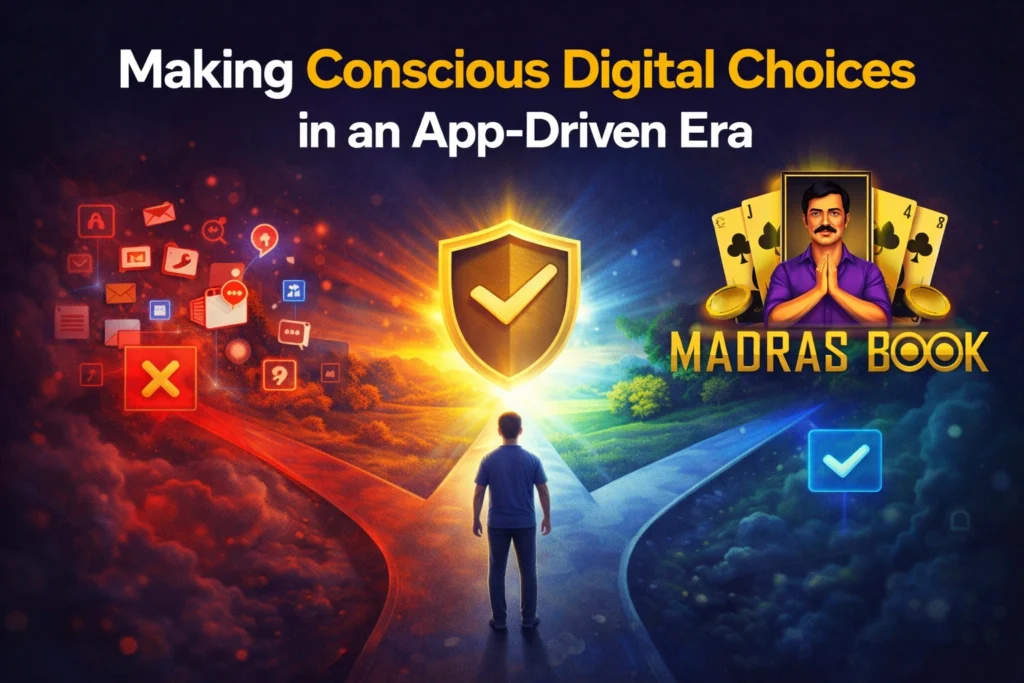
As digital ecosystems continue to expand, individuals are beginning to realize that technology should serve them—not control them. The excitement of installing new tools and exploring features is natural, but long-term satisfaction depends on mindful usage rather than constant accumulation.
A more intentional approach to mobile usage starts with clarity. Instead of reacting to every new trend or recommendation, users benefit from understanding their own needs. When choices are guided by purpose, digital spaces become more organized, efficient, and less overwhelming.
Minimalism is gaining importance in this context. Keeping only essential tools not only improves device performance but also creates a cleaner mental environment. Fewer distractions mean better focus, improved productivity, and a healthier relationship with technology.
Equally important is awareness. Knowing how platforms function, what data they collect, and how they influence behavior allows users to stay in control. Rather than being passive participants, individuals become active decision-makers in their digital journey.
Balance also plays a crucial role. Technology is most powerful when it enhances life without dominating it. Setting limits, managing screen time, and taking breaks from constant interaction can significantly improve overall well-being.
Ultimately, the goal is not to reject modern tools but to use them wisely. A thoughtful approach ensures that digital experiences remain beneficial, purposeful, and aligned with personal goals—creating a lifestyle where technology supports growth instead of creating dependency.“digital”
Conclusion: One Simple Tap, Endless Impact
In the end, what seems like a simple action carries far more weight than most people realize. A single tap can open doors to efficiency, knowledge, and opportunity—or lead to distraction, dependency, and unnecessary complexity. The difference is not in the technology itself, but in how it is used.
Modern digital tools are powerful, but they are not neutral. They shape habits, influence decisions, and quietly redefine daily routines. This is why awareness matters. Every choice should be intentional, not automatic. When actions are guided by purpose, technology becomes an asset rather than a burden.
It is easy to follow trends, install what others recommend, and keep adding more to our devices. But real control comes from restraint. Choosing what truly adds value—and ignoring what doesn’t—is the key to a smarter digital life.
The future will only become more connected, more advanced, and more integrated into everyday living. But no matter how far technology evolves, one principle will remain constant: thoughtful decisions create better outcomes.
So before making your next move, pause for a moment. Not to resist progress, but to align it with your needs. Because in a world full of endless options, the smartest choice is not always doing more—it’s choosing better.
Frequently Asked Questions (FAQs)
1. What does “Download App” actually mean?
“Download App” refers to the process of installing a mobile or desktop application on your device so you can access specific services, tools, or features instantly. It is the first step toward using digital platforms efficiently.
2. Is it always necessary to download an app to use a service?
No, not always. Many services can be accessed through web browsers without installing anything. However, apps often provide a smoother, faster, and more personalized experience compared to websites.
3. How can I decide whether I should download an app or not?
Before installing anything, consider its usefulness, permissions, and long-term value. If it solves a real problem or improves your daily routine, it may be worth it. Otherwise, skipping unnecessary installs can help maintain a cleaner digital space.
4. Are there any risks involved when installing apps?
Yes, some apps may collect excessive data or request unnecessary permissions. It’s important to download only from trusted sources and review what access the app is asking for before proceeding.
5. How can I manage too many apps on my device?
Regularly review your installed apps and remove those you no longer use. Keeping only essential tools improves device performance and reduces distractions.
6. Can downloading apps affect my phone’s performance?
Yes, too many installed applications can slow down your device, consume storage, and drain battery life. Managing your apps wisely helps maintain optimal performance.
7. Where can I learn more about smart app usage and digital trends?
You can explore helpful insights and guides on platforms like madrasbook for deeper understanding of digital habits and app-related topics.
8. Are there platforms that offer useful tools and resources online?
Yes, websites like criccode provide access to various digital tools and resources that can enhance your online experience without always requiring installations.
9. What is the best way to stay safe while using apps?
Always keep your apps updated, avoid downloading from unknown sources, and limit permissions to only what is necessary. Being cautious ensures a safer and more secure digital experience.
10. Is it better to have many apps or just a few essential ones?
Quality is always better than quantity. Having a few well-chosen apps that truly add value is far more effective than cluttering your device with unused ones.
 Get WhatsApp ID Now